
Kerala mural painting is one of India’s most refined and spiritually rich traditional art forms. Originating in the temples and palaces of Kerala, this classical painting style dates back over a thousand years and is deeply rooted in Indian mythology, spirituality, and culture.
At Fabus Frames, we celebrate this heritage by bringing authentic Kerala mural paintings into contemporary spaces—transforming ancient stories into timeless works of art for modern homes.
The Origin of Kerala Mural Painting
Kerala mural paintings evolved between the 9th and 12th centuries, primarily as temple wall art. These murals were not created for decoration alone—they were visual scriptures. Through detailed imagery, artists narrated stories from Hindu epics such as the Ramayana, Mahabharata, and Bhagavata Purana for devotees who could not read sacred texts.
Over time, this sacred art moved from temple walls to canvas, cloth, wood, and hand-painted textiles, making it accessible beyond religious spaces.
Key Characteristics of Kerala Mural Art
1. Mythological Themes
Most Kerala mural paintings depict Hindu deities like Krishna, Rama, Shiva, Durga, and Ganesha, along with celestial beings and legendary scenes. Each painting tells a story and carries symbolic meaning.
2. Natural Color Palette
Traditional artists use pigments derived from nature:
- Red & Yellow from mineral oxides
- Green from plant extracts
- Black from soot
-
White from lime
This eco-friendly approach gives Kerala mural paintings their earthy, soothing appearance.
3. Distinct Facial Expressions
Faces are calm, symmetrical, and expressive, reflecting inner peace and divinity rather than realism. Eyes are elongated, conveying spiritual depth.
4. Precise Line Work
Bold yet graceful outlines define figures. The painting process follows a strict sequence—sketching, outlining, coloring, and detailing.
The Meaning Behind the Colors
Colors in Kerala mural paintings are not random; they symbolize personality traits:
- Green – purity, goodness, divinity
- Red – power, passion, aggression
- Yellow – balance and harmony
-
Black – ignorance or evil
This color philosophy makes every mural deeply symbolic.
Kerala Mural Paintings in Modern Decor
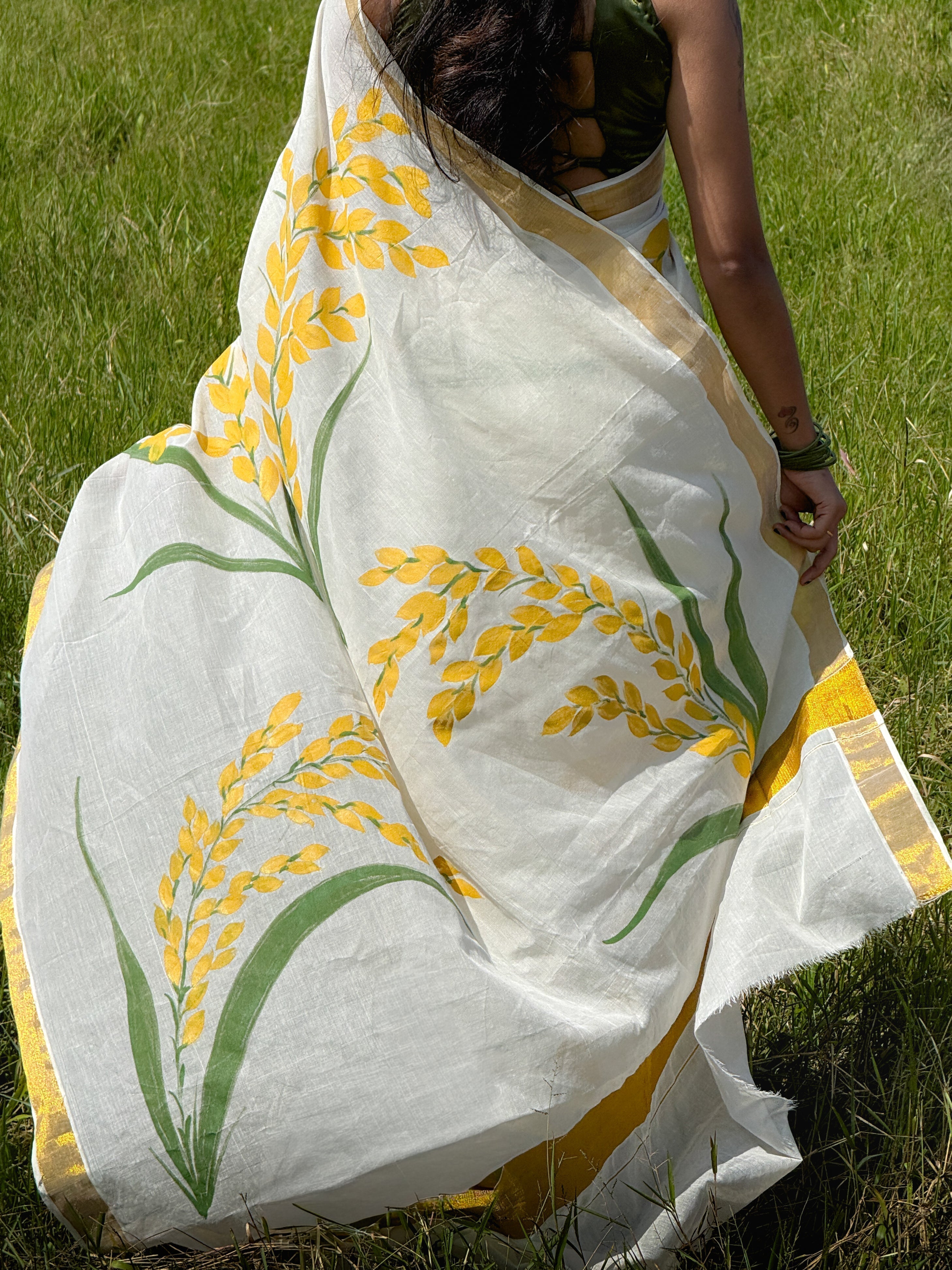
Today, Kerala mural art has found a place in contemporary interiors. From wall frames to hand-painted sarees and fabric art, this tradition blends beautifully with modern aesthetics.
At Fabus Frames, we curate and create authentic Kerala mural paintings that:
- Elevate home interiors
- Add spiritual and cultural value
- Make meaningful gifts
-
Preserve Indian heritage through art
Each piece reflects craftsmanship, tradition, and storytelling—perfect for art lovers who value authenticity.
Supporting Artists & Building a Sustainable Art Community
At the heart of Fabus Frames is a strong commitment to the artist community. Beyond showcasing Kerala mural paintings, our mission is to support, empower, and sustain traditional artists by:
- Providing artists with fair opportunities and ethical compensation
- Creating a stable platform for showcasing their work globally
- Encouraging younger generations to continue traditional art forms
-
Building a long-term, sustainable network of skilled Indian artists
By choosing Fabus Frames, customers directly contribute to the livelihoods of artists and help keep centuries-old traditions alive in a meaningful, future-ready way.
Why Choose Kerala Mural Paintings from Fabus Frames?
- Handcrafted by skilled artists
- Inspired by traditional techniques
- Premium-quality materials
-
Unique designs rooted in Indian culture
When you choose Fabus Frames, you’re not just buying art—you’re preserving a centuries-old legacy.